


How to Help an Anxious Rescue Dog Feel Safe at Home

Last Updated: November 21, 2026
Quick Summary
To help an anxious rescue dog feel safe, create a quiet retreat the dog can use at any time without being followed, touched, or coaxed out. Let the dog set the pace and build trust through small, predictable moments instead of rushing in with constant petting and soothing talk.
Never drag or lure the dog out of its safe space; let the retreat stay safe.
Expect the first 72 hours to bring hiding, shutdown, and poor appetite, so keep things quiet.
Score appetite, rest, recovery, approach, and body language weekly on a 1 to 5 scale.
A dog that stops eating treats during a session is over threshold, so end the session.
Call a veterinarian first if fear worsens despite a calm home and predictable routine.
Is your rescue dog still hiding weeks later?
Peaceful Alpha helps anxious rescue dogs settle in with calm, mindful training.
Table of Contents
Why an Anxious Rescue Dog Needs Patience, Not Pity
Bringing home a rescue dog is an act of hope, but the first weeks rarely look like the picture in your head. A dog who hides behind the couch, startles at the dishwasher, or freezes when a hand reaches out is a common sight in rescue homes. That is not a broken dog. It is a dog doing exactly what survival taught it to do.
The most common mistake is confusing pity with help. Pity rushes in with constant petting, eye contact, and soothing talk. It feels kind, but it often pushes a scared dog further into shutdown.
Patience looks different. Patience means letting the dog set the pace, reading body language before offering contact, and building trust through small, predictable moments. This guide shows you how to help an anxious rescue dog feel safe, one calm step at a time.
How to Create a Safe Space for an Anxious Dog
A safe space for an anxious dog is a quiet, low-traffic spot the dog can retreat to at any time without being followed, touched, or coaxed out. It should be available from day one, before the dog has to ask for it.
Here is how we set one up:
Pick a quiet room or corner away from the front door and main walkways
Add a crate with the door removed, or a bed with low sides
Cover one side with a blanket to create a den-like feel
Place water nearby and a soft, washable mat inside
Use a dog gate to block the area without sealing the dog in

The key rule: never drag or lure the dog out of this space. Let the retreat stay safe. If you want a deeper walkthrough on building calm indoors, our guide on teaching a dog to stay calm indoors step by step covers the daily routine.
Understanding the Rescue Dog Decompression Period
The rescue dog decompression period is the stretch of time a dog needs to unlearn survival habits and settle into a new home. Most dogs need weeks, not days. Some need months.
A loose four-stage framework is one way to think about the process. Treat the day ranges as guideposts, not deadlines.
Stage 1: The first 72 hours. The dog is in survival mode. Expect hiding, shutdown, poor appetite, loose stool, and no play.
Stage 2: Days 4 to 14. The dog starts to test the environment. You may see small bursts of curiosity, a wagging tail at the door, or the first play bow. Appetite usually returns.
Stage 3: Weeks 3 to 8. Real personality emerges. The dog may begin seeking contact, following you room to room, or showing interest in toys.
Stage 4: Months 2 to 6 and beyond. Confidence grows through repetition. Many rescue dogs continue to change well past the six-month mark, and some need a year to feel fully at home. Do not mistake calm for settled. A dog who sleeps all day in week one is often overwhelmed, not relaxed. A dog who seeks you out, eats reliably, rests with a loose body, and recovers quickly from startles is genuinely settling. As confidence takes shape in small, repeated signs of safety, Lake County Dogs can help you keep building on that progress when fear still interrupts your dog’s ability to settle.
A common pattern is for owners to rush stage 3 because the dog seems fine. The dog may tolerate a busy household for a week and then regress. Watch out: if you see a return of hiding, appetite loss, or freezing after you have added new experiences, you have moved too fast. Pull back to the previous stage for a few days rather than pushing through.
Keep a simple log. Note appetite, sleep, hiding, startle recovery, and any new experiences you introduced. Patterns show up in a week that are invisible day to day.
Signs a Rescue Dog Is Stressed and What Those Signals Tell You
A stressed rescue dog usually tells you long before it growls. The early signals are easy to miss because they are quiet. But reading signals is only half the job. The other half is knowing whether the dog is getting better or worse over time.
Start with the signals themselves. Watch for these signs:
Lip licking and yawning when nothing is happening
Whale eye, where the whites of the eyes show
Turning the head away or freezing in place
Tucked tail, lowered body, weight shifted back
Hiding, pacing, or refusing food
Sudden shedding or panting with no heat or exercise
Ears pinned back, tense jaw, or a closed mouth that was previously open
These are fear signals, not disobedience. When you see them, stop what you are doing and give space. A dog that is ignored past these signals may escalate to growling or snapping, which is far harder to undo.
Now build a progress check. Once a week, score the dog on five simple measures using a 1 to 5 scale, where 1 is severe and 5 is relaxed:
Appetite: eats reliably at set times
Rest: sleeps with a loose body in the open, not only hidden
Recovery: how quickly the dog returns to baseline after a startle
Approach: whether the dog chooses to come near you
Body language: loose posture, soft eyes, relaxed mouth
Write the scores down. A single number tells you little, but a trend over two to three weeks is meaningful. Steady small gains across several measures are a sign of real progress, even when the dog still has bad days.
Signs of progress to look for:
The dog rests in the open rather than only in the safe space
Startles are shorter and the dog recovers without hiding
The dog eats while people are moving nearby
The dog approaches voluntarily, even briefly
The dog sleeps through normal household sounds
Signs anxiety is worsening:
Hiding increases rather than decreases after week two
Appetite drops or the dog stops taking treats outside the safe space
The dog freezes more often or for longer
New avoidance appears, such as refusing to cross a doorway it previously used
Growling, snapping, or resource guarding emerges
The dog cannot rest even in the safe space
Watch out: a dog that stops eating treats during a session is over threshold, not stubborn. End the session and return to an easier step.
For a closer look at the subtle cues dogs use to communicate, read calming signals for reactive dogs: a practical guide.
How to Build Trust With a Fearful Dog Through Low-Pressure Interaction
Trust with a fearful dog comes from repeated, low-pressure moments where the dog chooses to approach and nothing bad happens. It does not come from affection forced on the dog.
Well-meaning attention can sometimes overwhelm a fearful dog. Looming over a dog, reaching for the collar, or staring directly into the eyes all read as threat to a fearful animal.
Try this instead:
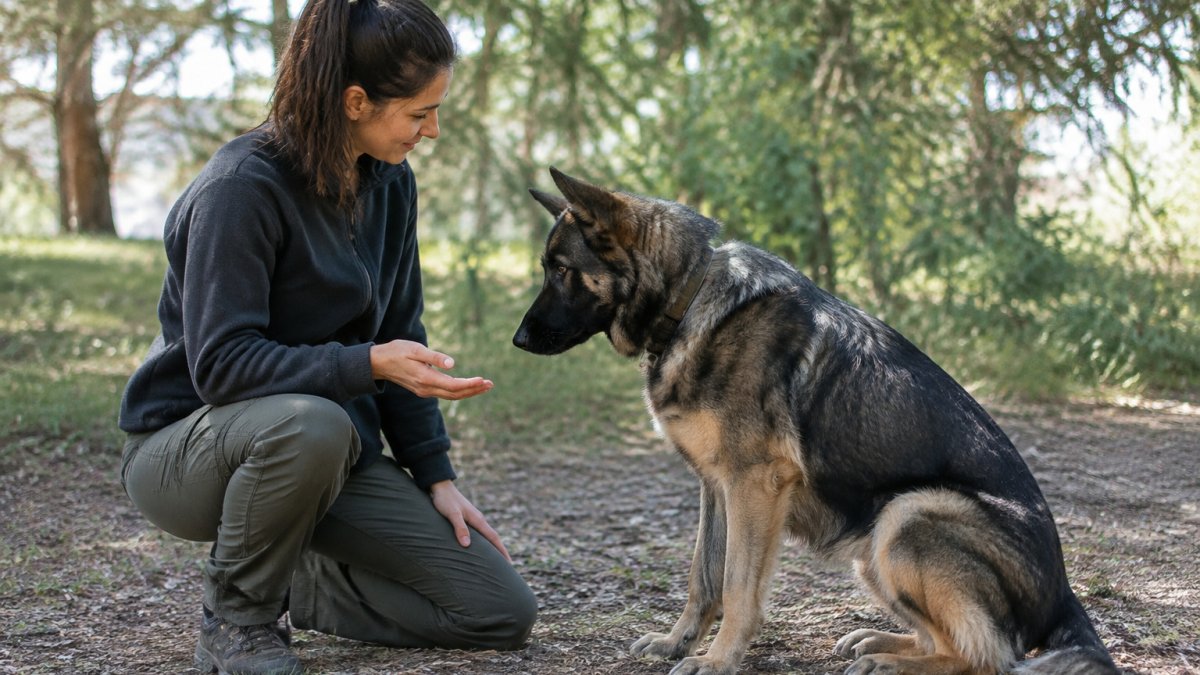
Sit on the floor and look away, letting the dog come to you
Toss a treat to the side rather than handing it over
Speak softly and sparingly
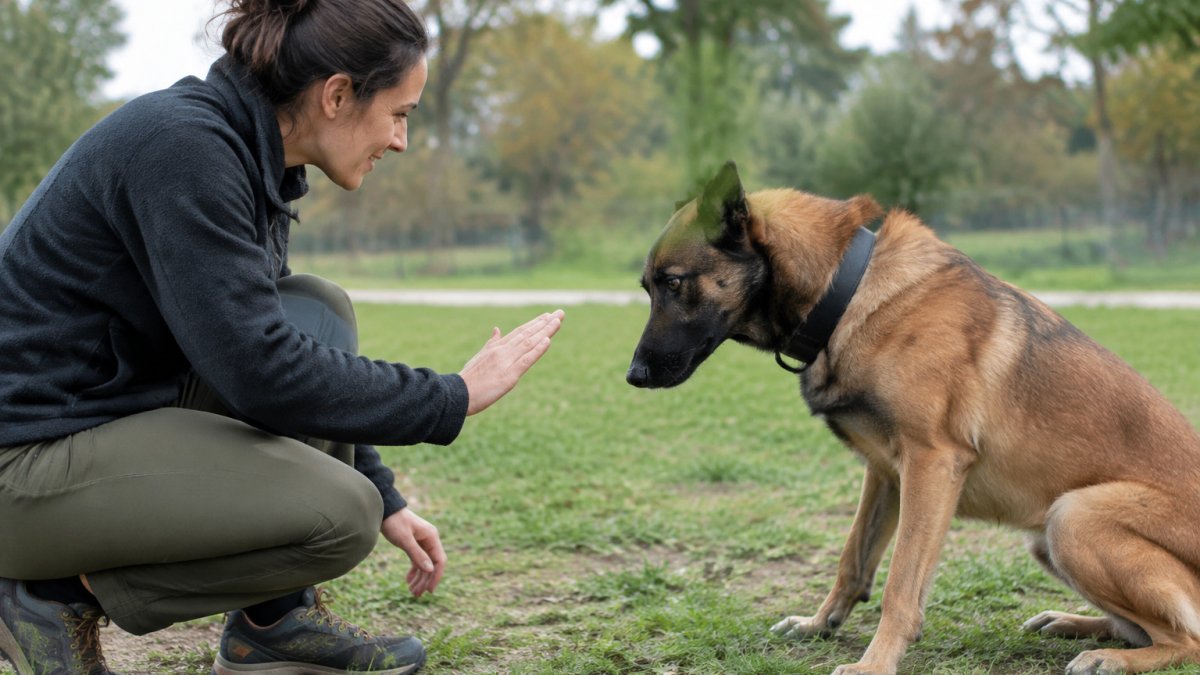
Let the dog sniff your outstretched hand without you moving it
End every interaction on a calm note, before the dog pulls away
A common mistake is rewarding fear with constant soothing. That can teach a dog that hiding earns attention. Reward calm behavior, not panic.
A Gradual, Reward-Based Exposure Plan for Your Anxious Rescue Dog
Gradual exposure means introducing a scary thing in tiny doses, always paired with food or play, and stopping before the dog panics. The goal is a positive association, not endurance.
Here is a simple plan you can adapt:
Week | Focus | Daily Time | Success Looks Like |
1 | Settle in, no outings | 10 min | Dog rests in safe space |
2 | Sounds at low volume | 10 min | Dog stays relaxed, eats treats |
3 | One calm visitor, no contact | 15 min | Dog stays in room, curious |
4 | Short walk in quiet area | 15 min | Dog sniffs, loose leash |
5 | Distant dog sightings | 20 min | Dog notices, recovers fast |
Keep sessions short and end on a win. If the dog stops eating treats, you have pushed too far. Back up a step.
If you are unsure whether to train alone or hire help, our article on whether you can train your dog yourself or need a professional walks through that decision honestly.
When to Bring In a Veterinarian or Behavior Professional
Call a veterinarian first if your rescue dog shows sudden behavior changes, appetite loss, or fear that worsens despite a calm home. Pain and medical issues often look like anxiety.
Bring in a behavior professional when:
Your dog has bitten or snapped
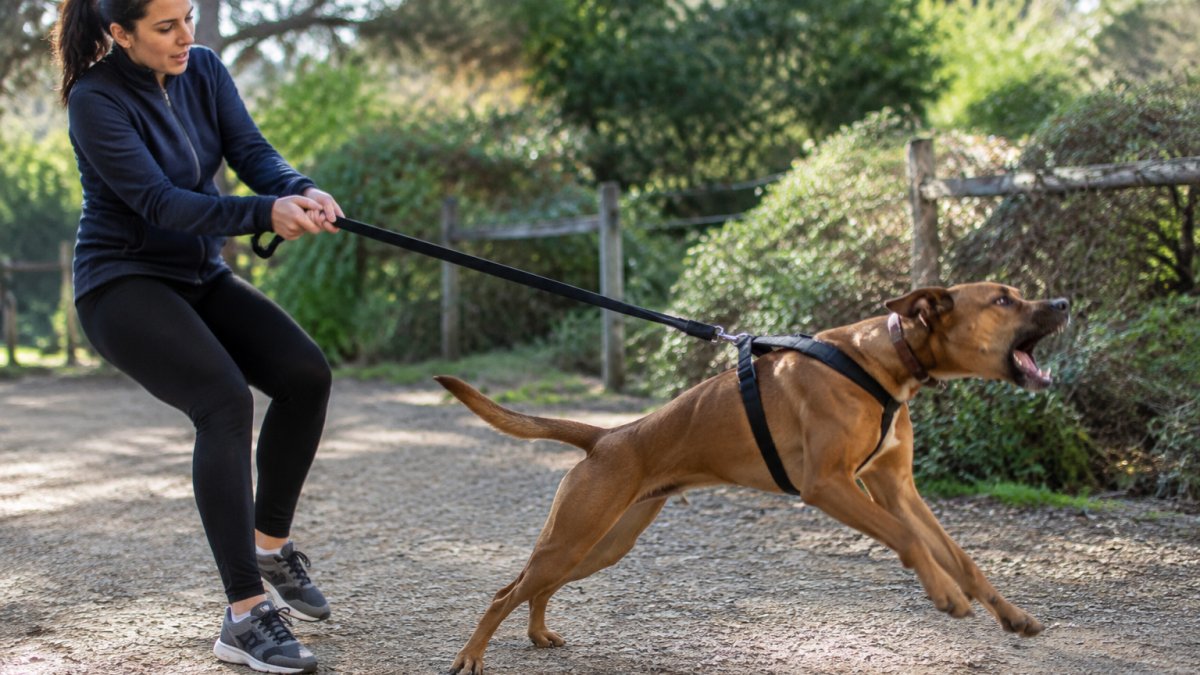
Fear is worsening week over week
Your dog cannot eat or rest even in the safe space
You feel unsafe or overwhelmed managing the behavior
A veterinarian can rule out medical causes and discuss calming aids or medication where appropriate. A qualified behavior consultant can build a plan around your dog's specific triggers. If you want to weigh the cost before committing, our plans and pricing page lays out the options.
Booking Private Training to Support Your Anxious Rescue Dog
Some dogs need more than a calm home and a treat routine. When progress stalls, private training gives you a structured plan built around your dog's specific fears.
At Peaceful Alpha, the approach centers on canine communication, calming signals, and mindful handling. We teach owners to read their dog's feelings and lead with a gentle touch and body language rather than force. Private training is available in Toronto, and Board and Train programs are available from my home.
If you are ready to get help with reactivity, anxiety, or rescue dog rehabilitation, book private dog training and start building trust from day one.
Your rescue dog does not need a perfect owner. It needs a calm, predictable one who reads the signals and moves at the dog's pace. That is exactly what we help you build at Peaceful Alpha, through private training, Board and Train programs, and mindful resources that teach you to understand your dog's feelings.
Frequently Asked Questions
How long does it take for an anxious rescue dog to feel safe in a new home?
There is no fixed timeline, but most rescue dogs need a staged decompression period that runs weeks, not days. The first few days are usually the most shut down, with gradual settling over the following weeks as routines and predictability build. Some dogs with significant trauma take months. Watch for small signs of progress, like eating reliably, resting in the open, or approaching you voluntarily, and adjust your pace to the individual dog rather than a calendar.
What are the first signs a rescue dog is starting to feel safe?
Early signs of progress include eating and drinking normally, sleeping more deeply, choosing to rest in a shared room rather than hiding, and approaching you on their own terms. A fearful dog that starts offering calm behavior, taking treats gently, and showing relaxed body language around familiar people is telling you the trust-building is working. Keep routines predictable and avoid rushing introductions to new people, noises, or other animals during this window.
Should I comfort my dog when they are scared?
Comforting a scared dog does not reinforce fear, but how you comfort matters. Keep your voice calm and low, avoid looming over the dog, and offer gentle presence rather than intense petting if they are retreating. Give the dog space to move away and use a quiet room or crate as a retreat. Pair your calm presence with food rewards when the dog is willing to eat, which helps build positive associations without forcing interaction.
When should I seek professional help for my anxious rescue dog?
Bring in a veterinarian or behavior professional if your dog is not eating for more than a day or two, is injuring themselves during fear episodes, shows escalating reactivity, or is not improving after several weeks of consistent decompression and trust-building. A vet can rule out pain or medical causes, and a qualified behavior professional can build a gradual exposure plan. Peaceful Alpha offers private training packages and board and train programs for owners who want calming-signal-based support.
Comments