


How to Teach Dogs to Stay Calm Indoors Step by Step

Last Updated: November 15, 2026
Quick Summary
Teach your dog to calm indoors by setting up a quiet mat or bed in a familiar room, then rewarding brief moments of rest with tiny treats. Build up gradually, adding a "settle" cue and mild distractions only once calm behavior is reliable.
Set out a mat, dog bed, or blanket and keep tiny treats nearby.
Reward a glance, step, or lie-down before asking for longer rest.
Keep sessions calm and short, and reset without scolding if your dog gets up.
Add a "settle" cue only once calm behavior is reliable.
Choose quiet activities like a safe chew toy when enriching indoor time.
Is your dog restless at home?
Peaceful Alpha offers mindful dog training focused on body language, calming signals, and positive reinforcement.
Table of Contents
Setting Up a Calm Spot for Your Dog
Teaching dogs to stay calm indoors starts with a clear, quiet place and small rewards. At Peaceful Alpha, we focus on body language and gentle, reward-based training. Calm behavior is a dog choosing to rest without constant prompts. Start in a familiar room, away from busy doors and traffic.

Set out a mat, dog bed, or blanket, and keep tiny treats nearby.
Step-by-Step Plan to Teach Your Dog to Settle Indoors
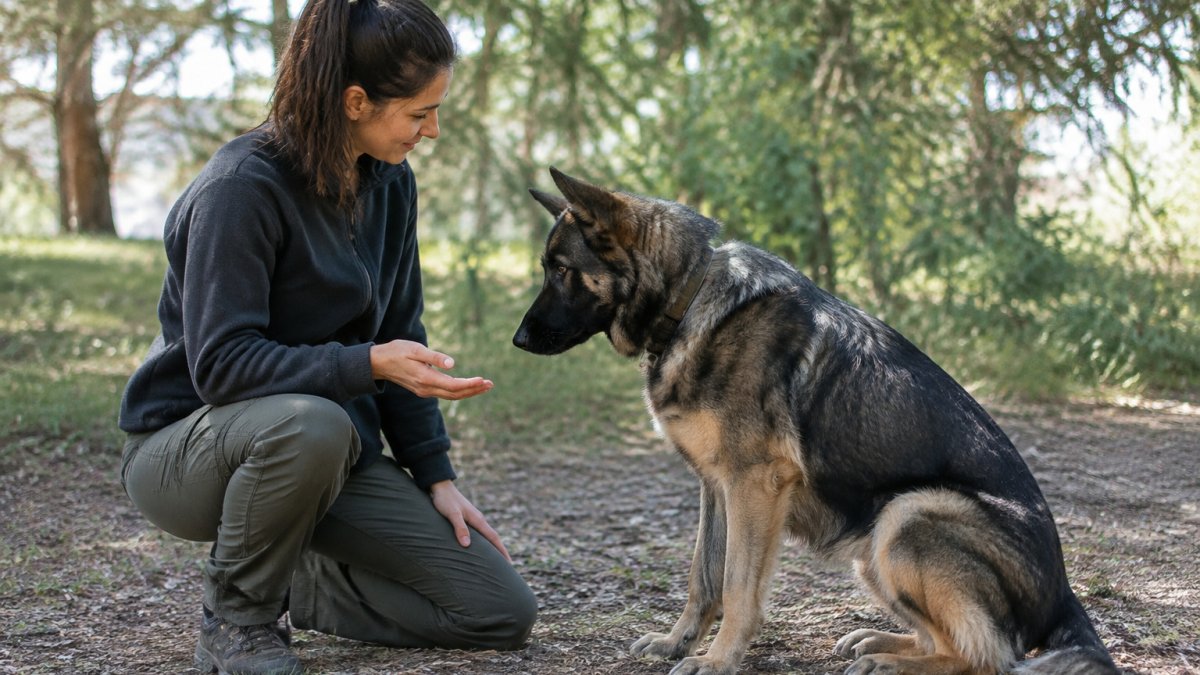
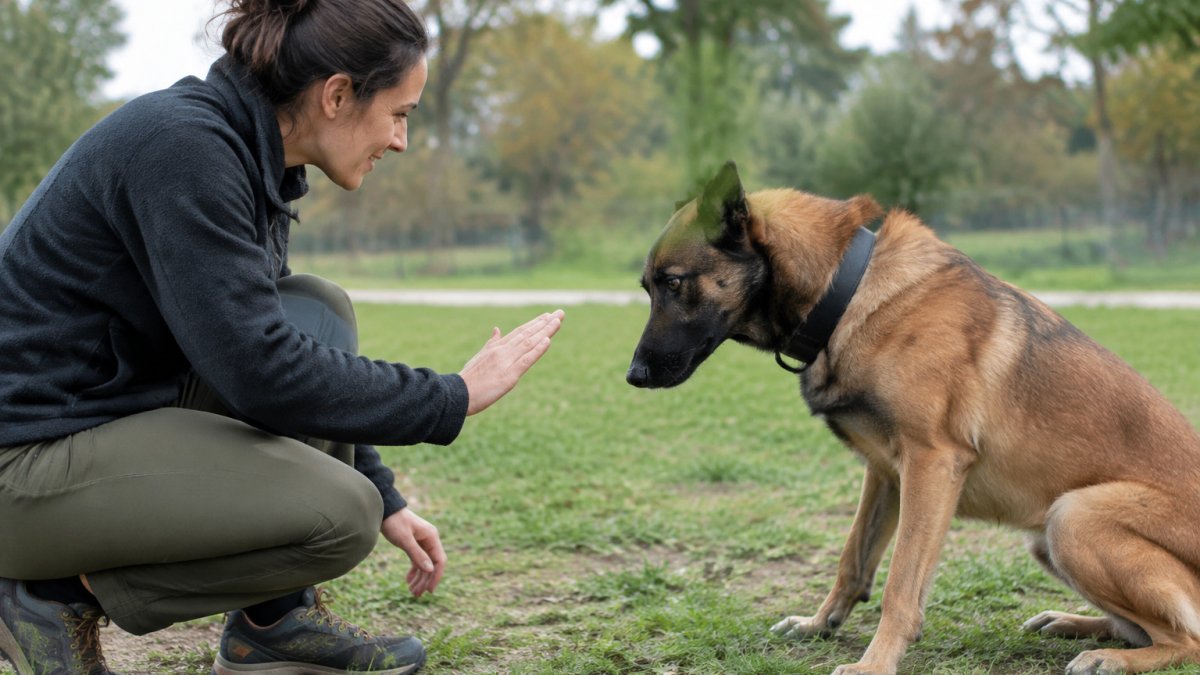
Reward brief moments of quiet before asking for longer rest. Keep sessions calm and short, and reset without scolding if your dog gets up.
Stand near the mat and wait.
Reward a glance, step, or lie-down.
Give a tiny treat while your dog stays relaxed.
Add a cue like “settle.”
Build duration gradually, then add mild distractions.
This is capturing calm in dogs: noticing quiet behavior and rewarding it. A common mistake is repeating the cue while the dog is excited, pause, lower the challenge, and reward the next calm choice.
For more on signals and body language, download the free calming-signals chapter or explore the Dog Language Masterclass.
The steps below summarise the settling plan, with the key action for each stage.
Step | What to do | Note |
1 | Stand near the mat and wait | Start in a familiar room |
2 | Reward a glance, step, or lie-down | Reward brief moments of quiet |
3 | Give a tiny treat while your dog stays relaxed | Keep sessions calm and short |
4 | Add a cue like "settle" | Use only once calm is reliable |
5 | Build duration gradually, then add mild distractions | Increase challenge slowly |
Keeping Indoor Enrichment Calm and Balanced at Home
Indoor enrichment for dogs should help them rest, not wind them up. Choose quiet activities like a safe chew toy or food-based enrichment, and watch body language: loose muscles and easy breathing differ from pacing, panting, or repeated barking. When a walk leaves a dog restless, a quiet chew and a gradual transition indoors can help a dog settle before rest, with the same approach useful for helping a German Shepherd settle after walks.
If settling stays hard, check the household setup and reduce distractions. Our guide to resetting dog training frustration may help when practice feels stuck. For in-person support, see Peaceful Alpha training.
A dog who cannot settle may need a quieter setup, a slower plan, or help reading their signals. Peaceful Alpha offers mindful training, canine communication guidance, and private training or board and train programs. Get started with Peaceful Alpha to build calmer indoor routines.
Frequently Asked Questions
How do I teach my dog to calm down indoors?
Start with a mat or bed in a quiet room where your dog already feels comfortable. Reward any moment your dog lies down or stays still with a small, high-value treat. Keep sessions to three to five minutes, and gradually ask for longer periods of stillness as your dog builds confidence. If your dog gets up, calmly guide them back to the mat without excitement, then reward again. Consistency across the household matters more than speed.
How long does it take to teach a dog to settle indoors?
Most dogs show clear progress within a few weeks of short, daily practice, but timelines vary with age, temperament and past experience. A newly adopted or previously outdoor-kept dog may need longer. Track progress by noting how long your dog stays on the mat before getting up. When that duration grows steadily across sessions, the skill is building. Pricing and program timelines for in-person help depend on the package, so check Peaceful Alpha's website for a current quote.
Should I ignore my dog when they are overexcited indoors?
Ignoring excitement alone rarely teaches calm, because dogs often need a clear alternative behaviour. Instead, interrupt the overexcited moment calmly, redirect your dog to a down or bed, and reward the moment they settle. Avoid shouting or physical corrections, which can raise stress. If your dog stays wound up despite consistent practice, the cause may be stress rather than ordinary excitement, and a professional assessment can help.

Comments