


How to Use Positive Reinforcement for Puppy Training

Last Updated: November 10, 2026
Quick Summary
Positive reinforcement means rewarding a puppy's good behavior right after it happens, so the puppy repeats it. Rewards can be small treats, praise, toys or short games, and timing matters more than treat size.
Reward the exact moment the puppy sits, looks at you or comes when called.
Use small, soft treats the puppy can eat in a second.
Keep early sessions to one to three minutes, two to four times a day.
Rewarding a puppy a few seconds late teaches the wrong lesson.
End each session on a success rather than a failed attempt.
Want help with your puppy?
Peaceful Alpha offers private training and mindful, reward-based coaching.
Table of Contents
How Positive Reinforcement Works for Puppies
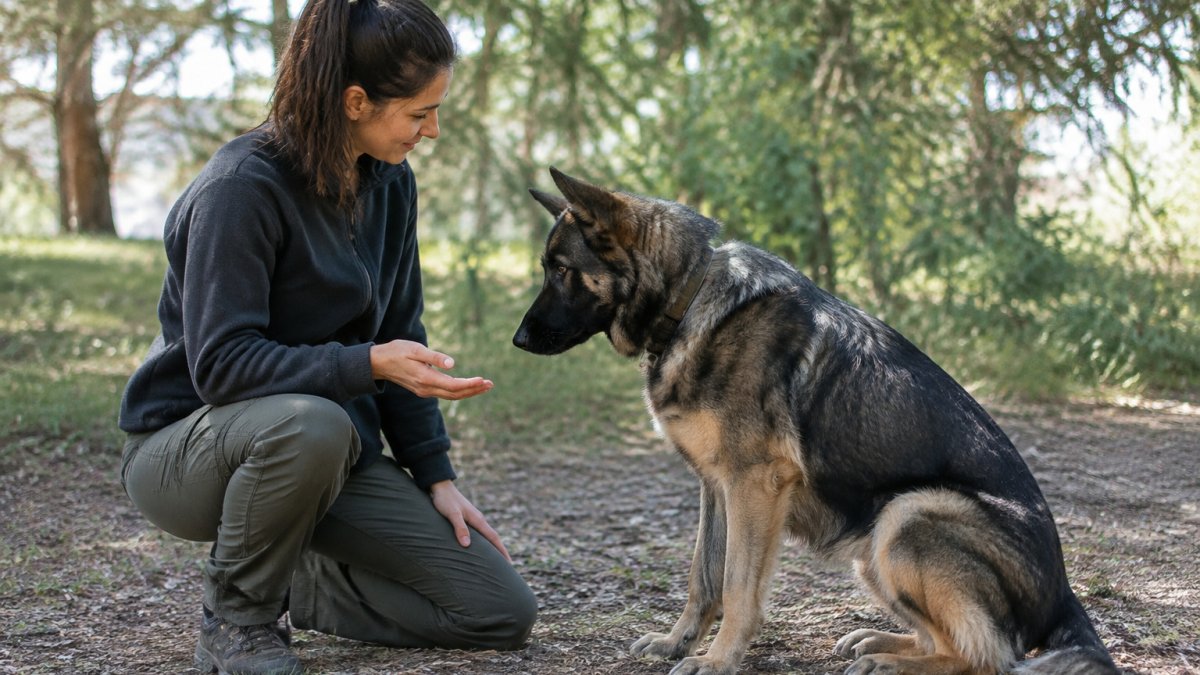
Positive reinforcement means rewarding a behavior so your puppy repeats it. Rewards can be treats, praise, toys or short games, delivered right after the good action.
Puppies don't understand "no" like adults do. Reward-based training shows them what earns good things, keeping the bond strong.
Reward the moment the puppy sits, looks at you or comes when called
Use a small, soft treat the puppy can eat in a second
Pair the treat with a happy voice and a clear cue word
Watch out: Rewarding a puppy a few seconds late teaches the wrong lesson. Timing matters more than treat size.
Step-by-Step Puppy Training Plan with Treats and Rewards
A workable plan uses short sessions matched to your puppy's age, focus and energy.

Week 1: Build the reward habit. Keep sessions to one to three minutes, two to four times a day. Mark good actions with "yes" at the exact moment, then deliver a tiny treat.
Week 2: Add one cue. Say one short word, such as "sit," before the behavior. Lure if needed, then mark and reward once the bottom touches the floor.
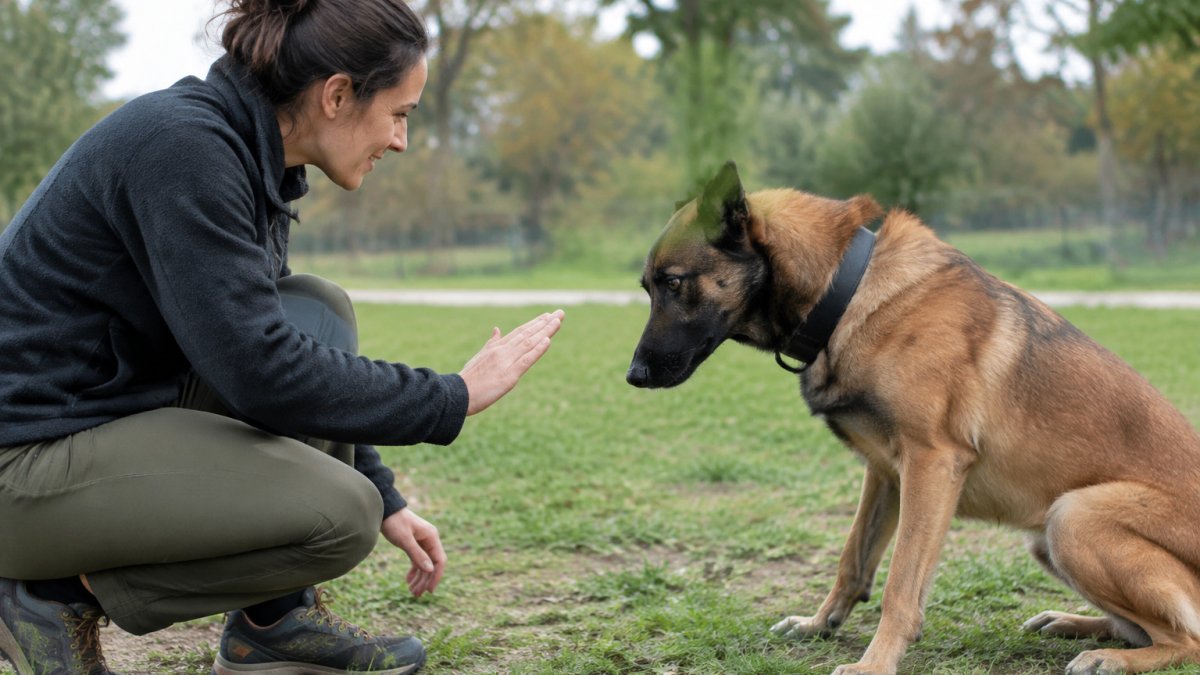
Week 3: Shape and fade. Reward small steps toward the goal, then reduce the lure with an empty hand signal.
Week 4: Test in new places. Practice the cue in a second room, then on a quiet porch. A dip in performance is normal.
Stage | Session length | Frequency | Main goal |
Reward habit | 1-3 minutes | 2-4 times a day | Puppy looks to you for rewards |
Cue and lure | 3-5 minutes | 2-3 times a day | Reliable response to one word |
Shape and fade | 3-5 minutes | Daily | Response without a visible lure |
Generalize | 5 minutes | Daily, in new places | Response across rooms and settings |
Treat portions matter. Use pea-sized treats and trim meals on training days.
Troubleshooting. If the puppy ignores the cue, go back to a lure or lower the criteria. If it bites, pause and resume once calm.
Watch out: Ending on a failed attempt makes the puppy less willing to try again. End on a success.
To have a coach watch your puppy through these stages, you can book a private puppy training session.
Positive Reinforcement Examples and Adapting It for Fearful Dogs
Positive reinforcement can be applied to many everyday routines: mark the behavior, reward it quickly, and keep the cue consistent.
House training. Take the puppy out after waking, meals, and play. Mark and reward immediately when it eliminates outside.
Crate comfort. Feed meals inside the crate and toss treats in while the door is open. Close it briefly, lengthening the time gradually.
Leash walking. Reward the puppy for walking beside you on a loose leash. Move forward while the leash is slack and stop whenever it tightens.
Recall. Call the puppy happily and reward heavily when it arrives. Never call it only to end something fun.
Settling. Reward the puppy for lying on a mat with a chew, rewarding calm rather than excitement.
Adapting for fearful dogs. Start far enough from the trigger that the dog stays relaxed. Reward calm looks or small steps toward it, stopping before stress signals like lip licking or yawning.
Watch out: A fearful dog that refuses a treat is over threshold. Stop and increase distance rather than pushing the food.
If unsure whether to handle this yourself or hire help, read a guide on whether you can train your dog yourself. For a dog with anxiety, explore a program for anxiety and past trauma.
Ready to build calm, confident habits with your puppy? Peaceful Alpha can help you start with reward-based training that fits your dog.
Frequently Asked Questions
How do you use positive reinforcement to train a puppy?
Mark the exact moment your puppy performs the behaviour you want, using a word like 'yes' or a clicker, then deliver a small treat within a second or two. Start with simple cues such as sit or name recognition in a quiet room, keep sessions to a few minutes, and use the same short command every time. Repeat several times a day. The marker tells the puppy which action earned the reward, which speeds up learning and keeps training positive for both of you.
When should I stop rewarding my puppy with treats every time?
Once a behaviour is reliable in the room where you first taught it, begin rewarding about half the repetitions, then gradually shift to intermittent rewards. Keep praise and play as rewards even after treats fade. Introduce distractions and new locations slowly, and return to frequent treats when learning a new skill. Fading treats too quickly often causes the behaviour to weaken, so move in small steps.
What should I do if positive reinforcement is not working?
First check reward timing, since a delay of more than a second or two can attach the reward to the wrong action. Make sure the treat is high-value enough to compete with the environment, and that the puppy is not overtired or overstimulated. Shorten sessions, lower the difficulty and reward small steps toward the goal. If fear or anxiety is preventing learning, consider a consultation with a qualified trainer.

Comments