


What Should I Look for When Hiring a Dog Trainer (in Toronto?)


Finding a dog trainer in Toronto isn't difficult.
Finding the right dog trainer for you and your dog? That's a different story.
A quick Google search will give you dozens of options. Some trainers specialize in puppies. Others focus on obedience, aggression, or behavioural rehabilitation.
You'll find trainers who use treats, clickers, corrections, commands, and a variety of other approaches.
And almost everyone promises results.
So how do you know who to trust?
After more than 20 years working with dogs, I've learned that choosing the right trainer isn't just about credentials, experience, or how quickly someone can teach your dog to sit.
It's about finding someone who understands your dog, understands you, and can help improve the relationship between you.
Here are seven things I'd encourage every dog owner to consider before hiring a professional trainer.
1. Does the Trainer Understand Why Your Dog Behaves the Way They Do?
This is probably the most important question.
Imagine your dog barks aggressively whenever another dog approaches.
One trainer might immediately focus on stopping the barking.
Another might ask why the barking is happening in the first place.
Is your dog afraid?
Frustrated?
Overstimulated?
Trying to create distance?
These are very different emotional experiences, even though the outward behaviour might look similar.
And they may require different training strategies.
A good dog trainer should take the time to understand what's driving your dog's behaviour rather than simply trying to eliminate the symptom.
The behaviour is what we see. The underlying cause is what we need to understand.
2. Does the Trainer Have Experience With Your Dog's Specific Challenges?
Not every dog trainer specializes in the same things.
Teaching puppy obedience is very different from helping a dog with serious fear, resource guarding, or aggression.
If your dog pulls on the leash, you might need help developing loose-leash walking skills.
If your dog has bitten someone, you need someone experienced in behavioural assessment, safety, and aggression management.
If your dog struggles when left alone, you may need a trainer with specific experience in separation-related distress.
Ask the trainer about their experience with your particular situation.
And pay attention to how they answer.
A good professional should be willing to explain what they can help with, what they cannot promise, and when veterinary or specialist support may be necessary.
3. What Training Methods Does the Trainer Use?
Dog training has changed considerably over the years.
Today, you'll encounter many different philosophies, including positive reinforcement, clicker training, reward-based training, and balanced training.
Rather than getting caught up in labels, ask the trainer to explain what they actually do.
How do they teach a new behaviour?
What happens when a dog makes a mistake?
How do they respond to fear or aggression?
Do they use physical corrections, intimidation, or tools that cause discomfort?
How do they make sure the dog feels safe enough to learn?
Evidence-based, reward-focused methods are generally the preferred starting point because they can teach useful skills without unnecessary fear or pain.
Be cautious of anyone who guarantees instant results, relies on intimidation, or promises to fix every dog using exactly the same technique.
Good training should help a dog learn, not simply make the dog afraid to behave.
4. Does the Trainer Teach You, or Just Your Dog?
Here's something many owners overlook.
Your dog might behave beautifully for a professional trainer.
But what happens when the trainer leaves?
Does your dog respond the same way to you?
Do you know how to handle difficult situations?
Can you recognize the early signs of stress or overstimulation?
Dogs learn through repetition, context, and relationships.
That means the way you communicate with your dog matters enormously.
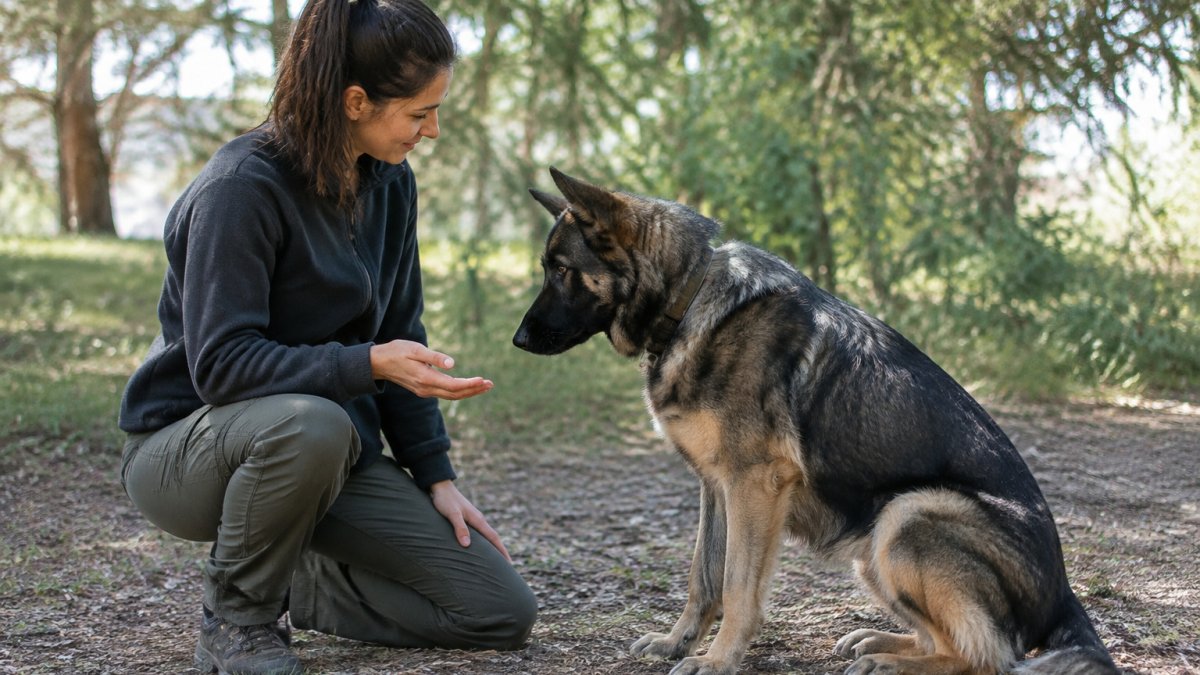
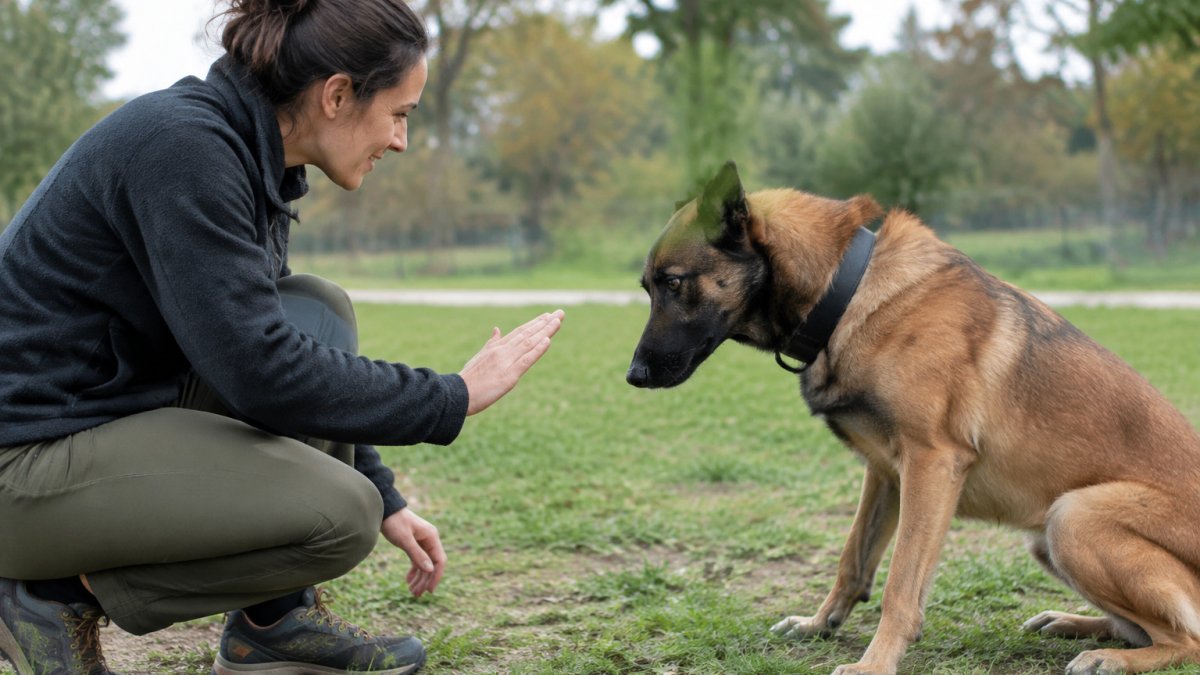
This is one reason I value private in-home dog training.
When I work with a family, I'm not simply demonstrating what I can get their dog to do.
I'm helping the owners understand how to communicate, recognize behaviour patterns, and practise the skills themselves.
The best dog trainer doesn't make your dog dependent on the trainer. They help you become more capable and confident.
5. Does the Trainer Consider Your Dog's Environment?
A dog's behaviour doesn't happen in isolation.
Your home, routines, neighbourhood, family dynamics, and daily activities all influence how your dog behaves.
Consider a dog who becomes frantic whenever someone rings the doorbell.
We could practise obedience exercises in a training facility.
But wouldn't it make sense to observe what actually happens at your front door?
Or imagine a dog who becomes reactive during walks through busy Toronto neighbourhoods.
Practising in a quiet field may help develop foundational skills, but eventually those skills need to transfer into real-life situations.
In-home dog training allows us to understand and address the challenges where they occur.
Sometimes small changes to the environment can make a significant difference.
Creating more distance from a trigger.
Adjusting a household routine.
Providing a quiet resting area.
Making expectations clearer.
These changes may seem simple, but they can be powerful.
6. What Happens After the Training Sessions End?
This is a question I encourage everyone to ask before hiring a trainer.
What happens if your dog starts struggling again?
What if you encounter a new situation?
What if you need advice six months later?
Dog training isn't always a straight line.
Dogs mature.
Environments change.
Families move.
New challenges appear.
And sometimes owners need reassurance or guidance as they continue practising.
Look for a trainer who explains what follow-up support is included and what additional help may cost.
My complete private training program includes one year of follow-up support by phone, text, and video.
I want families to have somewhere to turn when questions come up after our sessions.
Because training doesn't end when the trainer walks out the door.
7. Do You Feel Comfortable With the Trainer?
This might sound obvious, but it's important.
You're inviting someone into your home.
You're trusting them with an animal you love.
And you're asking them to help you navigate challenges that may already be stressful.
You should feel comfortable asking questions.
You should understand the methods being used.
And you should feel respected rather than judged.
A good trainer should listen to your concerns, explain their recommendations clearly, and work collaboratively with you.
If someone makes you feel embarrassed, pressured, or uncomfortable, it's reasonable to keep looking.
The relationship between trainer and owner matters too.
Why I Believe Dog Training Is Really About Communication
I'm Jesse Sternberg, founder of Peaceful Alpha and author of Enlightened Dog Training.
Over more than two decades, I've worked with dogs displaying a wide range of behaviours, from ordinary puppy challenges to complex fear and aggression.
And one of the biggest lessons I've learned is that dogs are communicating with us constantly.
Through posture.
Movement.
Eye contact.
Distance.
Tension.
Subtle calming signals.
Most people notice the barking, lunging, or jumping.
But there's often an entire conversation happening before those behaviours appear.
When we learn to recognize the earlier signals, we can respond more thoughtfully.
Sometimes that means creating distance.
Sometimes it means changing our own body language.
Sometimes it means helping a dog feel more secure before asking them to perform a task.
My mindful approach focuses on understanding this communication and combining it with practical, humane training techniques, positive reinforcement, hypnotic routines for calmness, and bullet proofing exercises that stick.
I want owners to see more than a dog who won't listen.
I want them to understand the dog standing in front of them, and know how to give it what it's asking for.
How Much Does a Professional Dog Trainer Cost in Toronto?
Training prices vary depending on the trainer, the type of service, and the challenges involved.
Group classes are generally less expensive than personalized private training.
Private in-home programs typically cost more because they provide individualized attention and direct owner coaching.
At Peaceful Alpha, my private dog training services include:
Initial In-Home Consultation — $250
We assess your dog's behaviour, discuss your goals, and begin identifying a practical training approach.
Complete Private Training Program — $2,000
This includes:
Eight private, one-hour training sessions.
Personalized training based on your dog's needs.
Hands-on owner coaching.
Practical guidance for everyday situations.
One year of follow-up support by phone, text, and video.
For a detailed explanation of pricing, read How Much Does Professional Dog Training Cost in Toronto?.
You can also explore my guide to In-Home Dog Training vs. Board and Train to better understand the differences between these options.
The Best Dog Trainer Isn't Necessarily the Most Expensive
Price matters.
But it's only one part of the decision.
A trainer charging less might be perfect for basic puppy manners.
A more experienced professional may be better suited to complex behavioural challenges.
The important thing is finding someone whose experience, methods, and approach match your dog's needs.
Ask questions.
Understand what's included.
And choose someone who makes you feel confident about the process.
Looking for a Private Dog Trainer in Toronto?
If you're searching for professional dog training in Toronto, I'd love to help you understand your options.
I'm Jesse Sternberg, author of Enlightened Dog Training and founder of Peaceful Alpha.
For more than 20 years, I've helped dogs and their owners develop better communication, confidence, and understanding.
I offer personalized in-home training for puppies, reactive dogs, fearful dogs, and families struggling with everyday behavioural challenges.
My goal isn't simply to teach your dog commands.
It's to help you understand your dog, develop practical skills, and build a calmer, more connected relationship.
Contact me to discuss your dog's behaviour and find out whether my private training program is right for your family.
Frequently Asked Questions About Hiring a Dog Trainer
How do I find a good dog trainer in Toronto?
Look for a trainer with relevant experience, clear and humane training methods, good communication skills, and a willingness to explain their approach. Ask about qualifications, client references, and follow-up support.
What qualifications should a dog trainer have?
Dog training is not a provincially licensed profession in Ontario. Independent credentials, continuing education, relevant experience, and knowledge of canine behaviour and welfare can help you evaluate a trainer.
Is private dog training better than group classes?
Private training offers personalized attention and is often useful for complex behavioural challenges. Group classes can be excellent for foundational skills and suitable social learning.
Should I hire a trainer for an aggressive dog?
Yes. If your dog displays aggression, seek help from a qualified professional experienced in behaviour assessment and safety. A veterinarian should also evaluate possible medical causes, and serious cases may require a veterinary behaviourist.
How many sessions does a dog trainer need?
It depends on your dog's needs, behaviour history, and your goals. Some challenges improve quickly, while others require longer-term practice and support.
What questions should I ask before hiring a dog trainer?
Ask about their experience, training methods, safety procedures, expected progress, owner involvement, total cost, and what happens after the sessions are complete.

Comments